Happy Valentine’s Day From Your Favorite Plumbers in Olympia!

February 14th, 2012

Everyone at Brooks Plumbing wishes you a very happy Valentine’s Day! We hope you have a day filled with lots of candy, flowers, and Valentines! Today is all about showing your appreciation for those you love, including your friends, your family, or your significant other. Take a moment today to think about everyone who makes a difference in your life and how you can let them know how special they are to you.

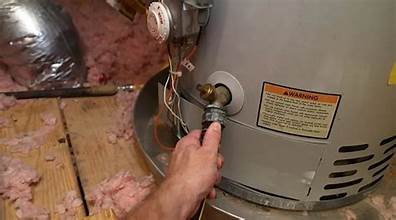
While traditional gifts like candy and flowers are wonderful idea, why not think a little out of the box this year? Upgrading your bathroom plumbing can make your whole house more livable, which is something that your entire family will appreciate! A new water heaeter can increase the quality of everyone’s showers, or a new garbage disposal can make doing the dishes much easier. While not the most romantic of gifts, it certainly will let your family know that you care.

For more information about how plumbing upgrades can make your house more comfortable, give Brooks Plumbing a call. In addition to making your home cozier, you can also make your friends and family happy by making this delicious recipe for Chocolate Bar Fondue

Ingredients

  • 32 ounces milk chocolate, grated
  • 1 1/4 cups heavy cream
  • 1 tablespoon instant coffee powder
  • 1 teaspoon vanilla extract
  • 1 teaspoon white sugar
  • 1/3 cup hot water

Directions

  1. In a saucepan over medium heat, melt the chocolate with the heavy cream. Mix in the instant coffee, vanilla extract, sugar, and hot water. Continue to heat, stirring frequently, until the mixture is smooth.

For more details, visit allrecipes.com.

Common Water Line Problems in Lacey

February 13th, 2012

Everyone needs water in Lacey. It keeps us clean, provides us with a clean drinking source and helps us cook food and wash clothes. So, when a problem occurs with the water line, it can be disruptive to every aspect of everyday life. Here are some common water line problems and solutions you can implement to solve them as fast as possible:

  • Burst Pipe - The biggest problem you can have is a burst pipe. This is a major problem and one that needs plumbing maintenance immediately. If your pipe bursts or starts to leak, turn off the main water supply immediately and call an emergency plumber. You’ll want to have it patched as soon as possible to return normal water service to your home.
  • Noisy Pipes – Noise in the pipes is a slightly less disastrous problem but it can lead to bigger problems down the road if not dealt with. Usually, it is due to air in the pipes which can create a loud banging sound. If your pipes are vibrating or banging, the easiest solution is to turn off the water supply and drain your pipes completely, then fill them back up to remove the air build up.
  • Water Pressure – Low water pressure can be due to a number of problems, from a small leak somewhere to an issue in the incoming water supply. If you notice water pressure dropping in your home, call a professional to inspect the problem and offer potential solutions.
  • Sediment in the Pipes – If suddenly you are seeing excess sediment, rust, or other debris in your water it is probably from an aging pipe. While this doesn’t necessarily signal that your pipe is about to burst, it can be a sign of potential problems in the future. Build up from hard water or erosion can both be major problems if not fixed right away.

Water line problems can range from small nuisances to major disasters that threaten your entire home, but they should all be treated with equal import. If something happens to your water line, don’t waste time trying to track down a solution. Turn off the water supply and call a professional right away.  Please call Brooks Plumbing with any questions.

How Can I Prevent Clogged Drains in My Olympia Home?

February 9th, 2012

One of the most frustrating plumbing issues any home owner will encounter is a clogged drain. Not only are clogged drains a nuisance, they are largely avoidable, so it becomes that much more frustrating when it happens since you know that you could have taken preventative measures long before the problem occurred. To help stop your drains from clogging in the future, here are some useful preventative tips:

  • Set Cooking Grease Aside – Cooking grease is thick, viscous and clings to the sides of almost all types of pipes. So, instead of pouring it down your sink and hoping it clears out on its own, pour it into a coffee can and set it aside. There are a number of places where you can recycle old grease.
  • Flush Garbage Disposals – When you use your garbage disposal, it is imperative that you flush cold water through the system at the same time. Without water to flush the food particles through the pipes, anything ground up in the disposal will become stuck and with the application of grease or other food particles can easily become a thick clog.
  • Pour Boiling Hot Water Down the Pipes – At least once a week it is a good idea to pour 2-3 quarts of boiling water down your sinks and bathtub to loosen any pre-clogs that have formed. Things like soap, grease, food, and hair can all be dislodged by an application of hot water on a regular basis.
  • Taking Care with Your Toilet – A toilet is not designed to flush anything that will technically fit down the hole. Even for paper products that seem to be flushable, take care in what goes into the toilet bowl. Paper towels, garbage, and wrappers should not be flushed or they are likely to cause clogs.
  • Use Strainers – Install strainers on all of your sinks, including the ones in your bathroom plumbing. A simple strainer will catch excess bits of food, hair, and other grime that has a habit of falling down the drain and getting flushed along with the dishwater or during a shower.

With care, your drains will remain clog free and never require the services of a snake or a plumber. If you do get past the point of no return, do not panic just yet – there are a number of steps you can take to remove a small clog without chemicals or professional help. However, if the clog refuses to budge or begins to backup, know when to call Brooks Plumbing.

What Size Water Heater Do I Need for My Lacey Home?

February 2nd, 2012

When installing a new water heater in your Lacey home, it is important to get one that is the appropriate size. Of course, one that is too small will not handle the capacity you need, so you will be stuck with water that is not quite hot enough.

You may think to just buy one that you are sure can more than handle the capacity you need, but there are drawbacks to this strategy. A water heater that is “too big” will also draw more power, resulting in waste and unnecessarily high bills. Plus, it will cost more up front than you really need to spend.

The trick is to get a water heater that is the correct size for your needs. For a conventional water heater with a tank, the metric you will need to refer to is the unit’s first hour rating, or FHR. To determine the necessary FHR, you first need to determine during which hour of the day your home uses the most water. Typically, this is either first thing in the morning or later in the evening, when most people are bathing. Once you know this, determine what the water usage is during that hour based on average usage for each task. For example, let’s say a typical morning in your home consists of:

  • 3 showers (average of 12 gallons each)
  • 1 food preparation (5 gallons)
  • 1 hand dishwashing (4 gallons)

That’s about 45 gallons of hot water needed during that hour, so you need a unit with an FHR somewhere in that ballpark. The U.S. Department of Energy has a good worksheet to use for these measurements, which includes average usage rates for common household hot water tanks.

If you are looking at getting a tankless water heater system, the process is a little more complicated. The important figure to know in that situation is the maximum temperature increase possible for a particular flow rate. That means adding up the flow rates for all the various appliances you may use at once, then figuring out how much you need to increase the temperature.

If you find any of this confusing, consider a professional consultation during the selection process. That will ensure you get the water heater that is right for you.

Tumwater Plumbing’s Tip: Detecting Leaks with Your Water Meter

January 25th, 2012

When you notice a leak in your Tumwater home, you fix it right away, but what happens when you don’t notice a leak for days or even weeks? The damage it causes can have a profound impact on your water bill and the good repair of your home. To avoid hidden leaks – the ones that hide in your walls or your yard, keep a close eye on your water meter.

The Hidden Leaks

Obvious leaks are…well, they’re obvious. They pour water down the walls, leave puddles in your bathroom or create ponds in your backyard. Unfortunately, the majority of leaks are much less obvious. They result from small drips between pipe joints in your walls or a hairline fracture in your water main or drain pipes. They may not even appear where you can see them.

If this happens, it’s important to have a keen eye for the signs that a water leak has occurred. Specifically, look for jumps in your water meter readings.

Watching the Water Meter

Your water meter tracks every drop of water consumed by your family. To check for water loss, record the reading at the same time every day and watch how it changes. To be sure of a leak, you can turn off all the fixtures in your home and watch for the meter to move. If the meter moves despite the fact that no one in your home is consuming any water, it is likely a leak.

You can also compare your bills from one month to the next. If your bill rises suddenly, without any clear reason, check the meter readings and the rates. If the meter reading increased suddenly and the water rate did not, there might be a leak to blame. If that’s the case, call a professional to inspect your water lines immediately – what is hidden to you might be a relatively obvious, straightforward repair to someone else.

Lacey Plumber’s Guide: What You Can Do to Prevent Problems in Your Drains

January 18th, 2012

When you look at your Lacey home’s drains, they seems fairly simple. You pour things down and they disappear into the ether, never to be seen again. Of course, that logic goes out the window the second the drain starts to backup or overflow. There are things you can do to avoid such problems though and most of the time, they cost nothing and take only a few minutes a week.

Simple Household Drain Maintenance

The first step to avoiding a problem is not putting anything down your drain that might cause said problem in the first place. Specifically, avoid grease, food, or other objects that might build up in your drains if not properly disposed.

Food can be broken down by a garbage disposal or, even better, placed in a compost pile. Grease, however, should never enter your sink at all. Pour all old kitchen grease into a coffee pot or bucket and dispose of it carefully. It can be thrown away in some places, or it can be recycled. Whatever you do, though, don’t pour it down the drain.

Another easy tip to keeping those drains clear is to pour a natural compound down every now and then like dishwashing liquid or baking soda and vinegar. Expensive drain cleaners are not only unnecessary – they are unsafe for the person using them and can cause damage to the pipes if you are not careful. To avoid such damage, stick with hot water based compounds and vinegar. The key is to do it preventatively.

If you wait until a full blown clog occurs, baking soda and vinegar may not get the job done and you’ll need to call a plumber who has a snake or other equipment to get the clog out.

Professional Maintenance

While regular flushing of your drain with hot water and vinegar allows you to clear out the vast majority of the stuff that builds up there every week, it’s also a good idea to call a professional for annual maintenance. Such annual maintenance involves visual inspection, professional grade clearing of food and waste products and a full flush. Done properly, this will minimize the cost of future repairs and replacements and keep your plumbing running smoothly for years to come.

Happy Martin Luther King Day from Your Olympia, WA Area Plumbers!

January 16th, 2012

Happy Martin Luther King Day! Many people consider this day a call to service, and there are so different many ways you can help your community, from lending a hand to a neighbor to donating food. Take a moment to think about how you make a difference in someone’s life today; even a small act of kindness can have a big effect. Help us make our community a better place!

Tumwater Plumber’s Tip: Bathtub Drain Clogs

January 11th, 2012

When we think of clogged drains and plumbing problems, we most frequently think of toilets and kitchen sinks, but one of the most common drains to cause problems your Tumwater home is probably the bathtub. To avoid drain problems and to help fix any problems that might crop up, here are some tips for how to handle your finicky bathtub drain.

  • How the Bathtub Drain Works – A bathtub drain works the same as the other drains in your home with a simple trap that ensures the safe transfer of water out of your home and blockage of sewer gasses from getting into your home. The drain itself is frequently open with a small crack – roughly a quarter inch – beneath a larger drain plug that can be lowered when you fill the tub. While the space is not large enough for objects like a bar of soap to enter, it is plenty large enough for hair, soap scum, and other small objects from a bath or shower to enter and start clogging that trap.
  • Cleaning the Drain – To cut down on how much hair and gunk actually gets into the drain you should take off the entire drain mechanism once a week and remove any excess hair. You should also use some form of wire device like a bent coat hanger or scrubber to reach in and remove any hair you can reach. There are specific plumbing devices to help with this as well, but a hanger works just fine assuming you do not have a heavy clog. It is also a good idea to run boiling water through your drain once every week to clear out any soap and hair build up. While most soap is water soluble, it can create a thick, greasy clog when combined with hair. Hot water can help to remove it before a clog occurs.
  • If a Clog Occurs – If a clog does occur, you should use the hot water method along with a plunger to try and clear out as much of the clog as possible. Avoid chemical use at all costs. Bathrooms are usually small rooms and even with the fan on, the fumes can be dangerous and the chemicals caustic on your pipes and tub. Baking soda and vinegar often help for small clogs, but otherwise, you should move on to a snake for physical clog removal.

If you have a clog deeper than the snake can reach or that you simply cannot affect with the tools listed above, it may be necessary to call a Tumwater professional who can track your clog into the pipes and find where the root of the problem is. It might be just too deep in your drainage pipe or it could be a completely different area of your plumbing system.

Olympia Plumber’s Guide: Quick Tips on Toilets

January 4th, 2012

Quite simply, everyone needs to have a working toilet in their Olympia home. Of course, when we do, we tend to take it for granted. Most people really do not know much about how their toilets work and how much water they use, and acquiring that information can be beneficial to you for several reasons. Toilet tips can help you save money, catch problems early and generally get the most out of your toilet.

Water-saving devices are always useful on toilets. Even if you did not buy a water-saver toilet to begin with, you can convert your regular toilet into one by installing a toilet cycle diverter. These great gadgets actually direct some of the water from each flush back into the tank rather than allowing it to run into the toilet bowl itself.

What this does is allow the tank to fill up faster. Less water goes down with each flush and less water is needed to fill up the tank. These devices are relatively easy to install yourself and they can save you a ton in the long run. In fact, the average toilet cycle diverter can conserve up to a gallon of water per flush.

You will also benefit from learning about how your toilet works because it can enable you to catch problems early when they are easy to correct. You may or may not be able to do the corrective work yourself, but at least you can call out an Olympia plumber earlier rather than later.

Fixing toilet problems early hopefully means that you will not have to go without a toilet for very long, if at all. And the repairs that you need should be relatively minor and inexpensive. When toilet issues are allowed to persist, they can turn into a much bigger plumbing problem and cause a great deal of inconvenience to you and your family.

One of the most common toilet problems is leaks. A leaky toilet can have all kinds of symptoms, but the bottom line is that it is probably costing you money on your water bill each month. Also, leaks will only get bigger as time goes on, so you will be much better off if you fix them early. Phantom flushing and continuous running are both signs that your toilet is leaking, and the earlier you do something about it, the better off you will be.

Happy New Year’s Eve from Your Olympia Area Plumber!

December 31st, 2011

Everyone here wishes you a Happy New Year! New Year’s is one of the best times to reflect on all the good things that have happened this year and make plans for the next. We hope that you are able to achieve all of your resolutions! If one of your resolutions is to take better are of your house, remember that annual maintenance of your plumbing system will keep it running as effectively as possible and cut down on emergency repairs. And here is some New Year’s trivia to start your day: the first Time Square New Year’s Eve ball was dropped in 1907 after fireworks were banned in New York City. Today’s ball weighs nearly 12 thousand pounds and is 12 feet in diameter!