Winter Plumbing Prep: Preventing Frozen and Burst Pipes in Tumwater WA
Winter brings chilly temperatures, heavy rainfall, and freezing conditions to Tumwater, WA. While homeowners often focus on keeping their homes warm and comfortable, protecting their plumbing systems is just as important. Frozen pipes can lead to costly water damage, unexpected repairs, and major disruptions to daily routines.
Fortunately, a few preventive measures can help keep your plumbing running smoothly throughout the colder months. Here's what you need to know about preparing your pipes for winter and avoiding expensive plumbing emergencies.
1. Understand Why Pipes Freeze and Burst
When temperatures drop below freezing, water inside exposed or poorly insulated pipes can freeze and expand. This expansion creates pressure within the plumbing system, potentially causing pipes to crack or burst.
Certain areas of your home are particularly vulnerable, including:
- Outdoor faucets and hose bibs: These fixtures are directly exposed to freezing temperatures.
- Unheated garages and crawl spaces: Pipes in these areas may lack adequate insulation.
- Exterior walls: Plumbing installed near poorly insulated exterior walls can be susceptible to freezing.
- Attics and basements: Unconditioned spaces may experience temperatures cold enough to freeze pipes.
2. Insulate Exposed Plumbing Pipes
One of the simplest and most effective ways to prevent frozen pipes is to insulate plumbing located in colder areas of your home.
Foam pipe insulation sleeves are relatively inexpensive and can help reduce heat loss. They're especially useful for pipes running through crawl spaces, garages, and other unheated locations.
For additional protection, consider installing thermostatically controlled heat cables specifically designed for plumbing applications. These products provide supplemental warmth during freezing conditions when installed according to manufacturer instructions.
3. Disconnect Outdoor Hoses and Protect Faucets
Outdoor plumbing fixtures are among the first components to freeze when winter temperatures arrive.
Before the first significant freeze, take these precautions:
- Disconnect garden hoses. Remove hoses from outdoor faucets and drain any remaining water.
- Shut off exterior water supplies. If your home has dedicated shutoff valves for outdoor faucets, close them and drain the lines.
- Install insulated faucet covers. These inexpensive covers provide additional protection against freezing temperatures.
- Inspect outdoor fixtures. Check for existing leaks, cracks, or damaged connections that could worsen during winter.
4. Maintain Consistent Indoor Temperatures
Keeping your home adequately heated is another important part of winter plumbing protection. Even when you're away, maintain an indoor temperature of at least 55°F to help reduce the risk of frozen pipes. However, pipes in poorly insulated areas may still require additional protection.
During especially cold weather, consider opening cabinet doors beneath kitchen and bathroom sinks located along exterior walls. This allows warmer indoor air to circulate around the plumbing.
You can also allow a small trickle of water to run from faucets served by vulnerable pipes during severe freezing conditions. Moving water can help reduce freezing risk, although it doesn't guarantee protection.
5. Know the Warning Signs of Frozen Pipes
Recognizing a frozen pipe early can help you address the problem before serious damage occurs.
Common warning signs include:
- Little or no water flowing from a faucet
- Frost forming on exposed plumbing
- Unusual noises when turning on fixtures
- Unexpected changes in water pressure
- Visible bulging or cracking along exposed pipes
If you suspect a frozen pipe, avoid using open flames or excessive heat to thaw it. Instead, gently warm accessible pipes using safe methods, such as a hair dryer, while keeping electrical equipment away from water.
If you cannot locate the frozen section or suspect damage, contact a professional offering plumbing repair in Tumwater, WA for assistance.
6. Prepare for Plumbing Emergencies
Even with proper preparation, unexpected freezing conditions can sometimes cause plumbing emergencies.
Every homeowner should know where their main water shutoff valve is located and how to operate it. If a pipe bursts, immediately shutting off the water supply can significantly reduce flooding and property damage.
7. Schedule Preventive Plumbing Maintenance
Routine plumbing maintenance is one of the best ways to protect your home throughout the winter season. A professional inspection can uncover hidden leaks, assess vulnerable piping, and identify areas needing additional freeze protection.
For homeowners in Tumwater, WA, preparing early can make a significant difference when unexpected cold snaps arrive. Rather than waiting for a burst pipe or major leak, investing in preventive maintenance can help protect your property and minimize costly repairs.
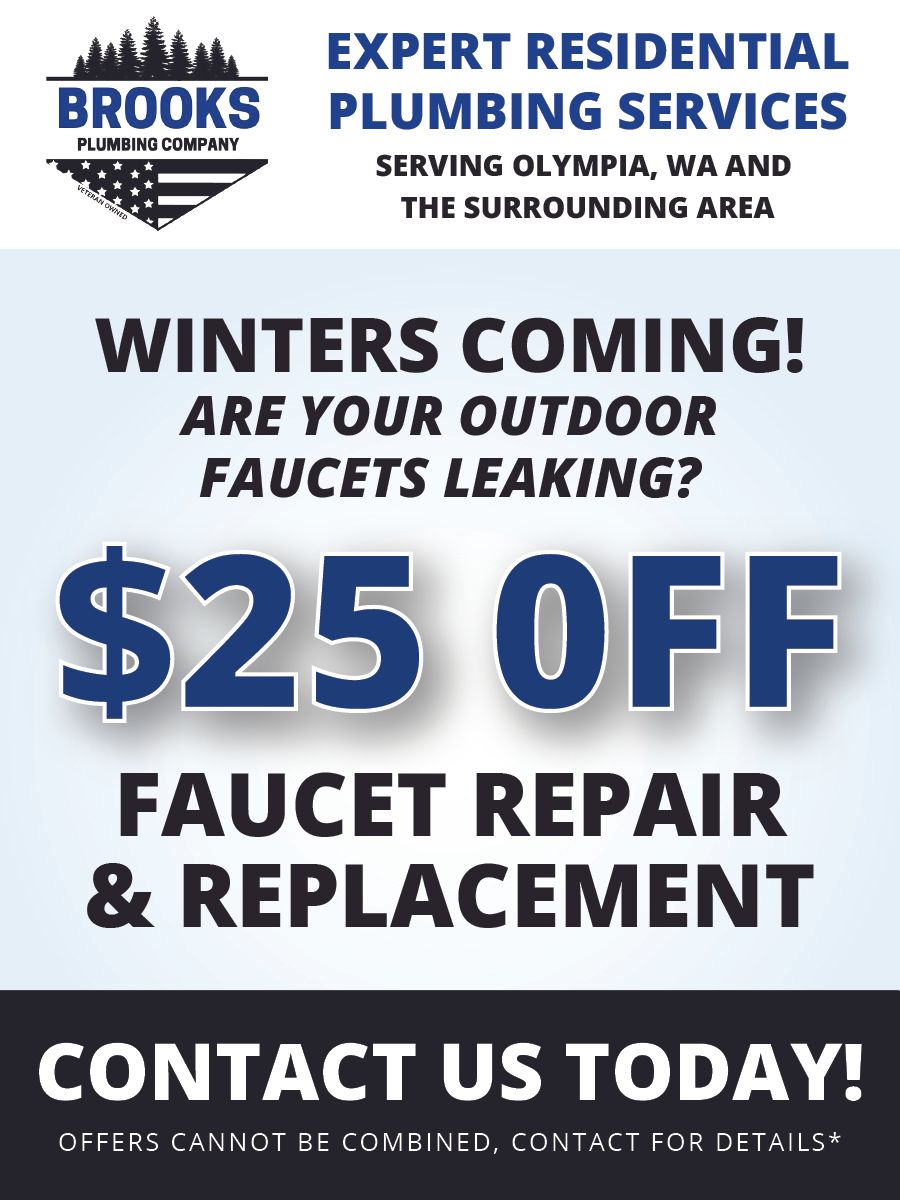
Protect Your Home This Winter With Brooks Plumbing
Whether you need preventive maintenance, pipe insulation recommendations, or
professional plumbing repair in Tumwater, WA, Brooks Plumbing is here to help. Don't wait until freezing temperatures cause an unexpected emergency.
Contact us at Brooks Plumbing today to schedule an appointment and keep your home's plumbing system operating reliably throughout the winter season.