Early Fall Plumbing Prep: Inspecting Your Olympia Water Heater
As summer winds down and cooler weather begins to settle into Olympia, early fall is an ideal time to make sure your home’s plumbing system is ready for the months ahead. One appliance that deserves particular attention is your water heater.
A simple seasonal inspection can help identify developing issues, improve efficiency, and reduce the risk of an unexpected breakdown. Whether you perform a basic visual inspection yourself or schedule service with a trusted Olympia plumbing company, taking a proactive approach can help keep your water heater operating reliably throughout fall and winter.
Check the Area Around Your Water Heater
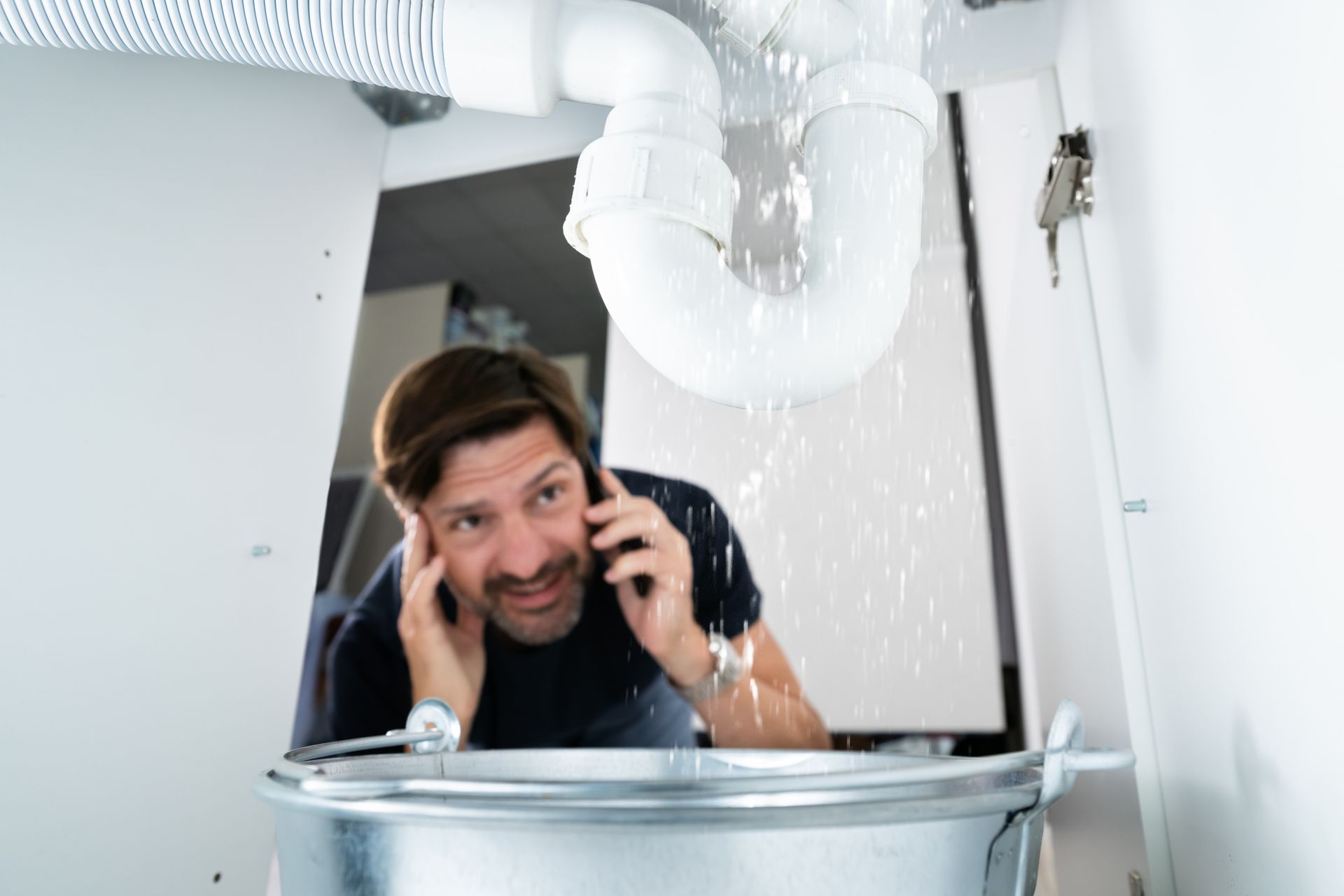
Start your inspection by taking a close look at the area surrounding the water heater. The floor should be dry, and there should be no obvious signs of dripping or pooling water. Even a small amount of moisture can indicate a loose connection, failing valve, or tank problem.
Look closely at the pipes and fittings connected to the unit as well. Signs of corrosion, rust, or mineral buildup can point to slow leaks or aging components. If your water heater is located in a garage, utility room, or other storage area, make sure boxes and household items are not crowded around it.
Listen for Unusual Sounds
Water heaters are not always completely silent, but new or increasingly loud noises deserve attention. Popping, rumbling, banging, or crackling sounds may be caused by sediment accumulating inside the tank.
Over time, minerals naturally found in the water can settle at the bottom of a traditional tank-style water heater. When the burner or heating element operates, trapped water beneath the sediment can create noticeable noises. Excessive sediment can also make the unit work harder to heat water efficiently.
Periodic flushing may help remove sediment, but homeowners who are unfamiliar with the process should consider having a professional perform the maintenance.
Pay Attention to Hot Water Performance
Think about how your water heater has been performing recently. Does it take longer than usual for the water to get hot? Does the hot water run out sooner than it used to? Are temperatures inconsistent from one shower to the next?
Changes in performance can have several possible causes, including sediment buildup, aging heating elements, thermostat problems, or normal wear as the unit gets older. Addressing these symptoms early may prevent a minor issue from developing into a larger repair.
If your water heater is struggling to meet your household’s demand, an inspection by an experienced Olympia plumbing company can help determine whether maintenance, repair, or replacement should be considered.
Look for Rust and Corrosion
Rust deserves particular attention during your fall inspection. Check the tank, fittings, valves, and visible plumbing connections for discoloration or corrosion.
Rust on the exterior of the tank does not automatically mean the water heater needs immediate replacement, but it should not be ignored. Corrosion may indicate that moisture has been present or that a component is beginning to deteriorate. Rust-colored hot water can also signal an issue that warrants professional evaluation.
Inspect the Temperature and Pressure Relief Valve
Tank-style water heaters typically have a temperature and pressure relief valve, commonly called a T&P valve. This is an important safety component designed to release excessive temperature or pressure from the tank.
Visually check the valve and discharge pipe for signs of leaking, corrosion, or damage. Testing or replacing this component should be done carefully and according to the water heater manufacturer’s instructions.
Consider the Age of Your Water Heater
Early fall is also a good opportunity to check the age of your equipment. If you do not know when the water heater was installed, its serial number and manufacturer information may help identify its production date.
An older unit does not necessarily need to be replaced if it is operating properly, but age can make regular inspections increasingly important. If an aging water heater is showing multiple warning signs—such as corrosion, leaks, inconsistent temperatures, unusual noises, or declining capacity—it may be worth discussing replacement options before an emergency occurs.
Make Water Heater Maintenance Part of Your Fall Routine
A little preventative attention can go a long way toward keeping your plumbing system dependable as temperatures begin to fall. For homeowners in Olympia, checking for leaks, corrosion, unusual sounds, inconsistent water temperatures, and other warning signs can help uncover problems before they become inconvenient or expensive emergencies.
If you notice anything concerning—or simply want the reassurance of a professional inspection—contact us at Brooks Plumbing. Taking action now can help ensure your household has reliable hot water when cooler weather arrives.